Plinko demo experience explained in detail
The plinko demo format is designed for players who want to understand how the game behaves before making any real decisions. It allows you to explore mechanics, pacing, and volatility without pressure. Many users approach demo modes as a learning space rather than pure entertainment, which changes how the game feels. Instead of chasing outcomes, you can observe patterns and reactions calmly. This approach helps build confidence over time. The sections below break down how demo versions work, what they include, and why they are useful.
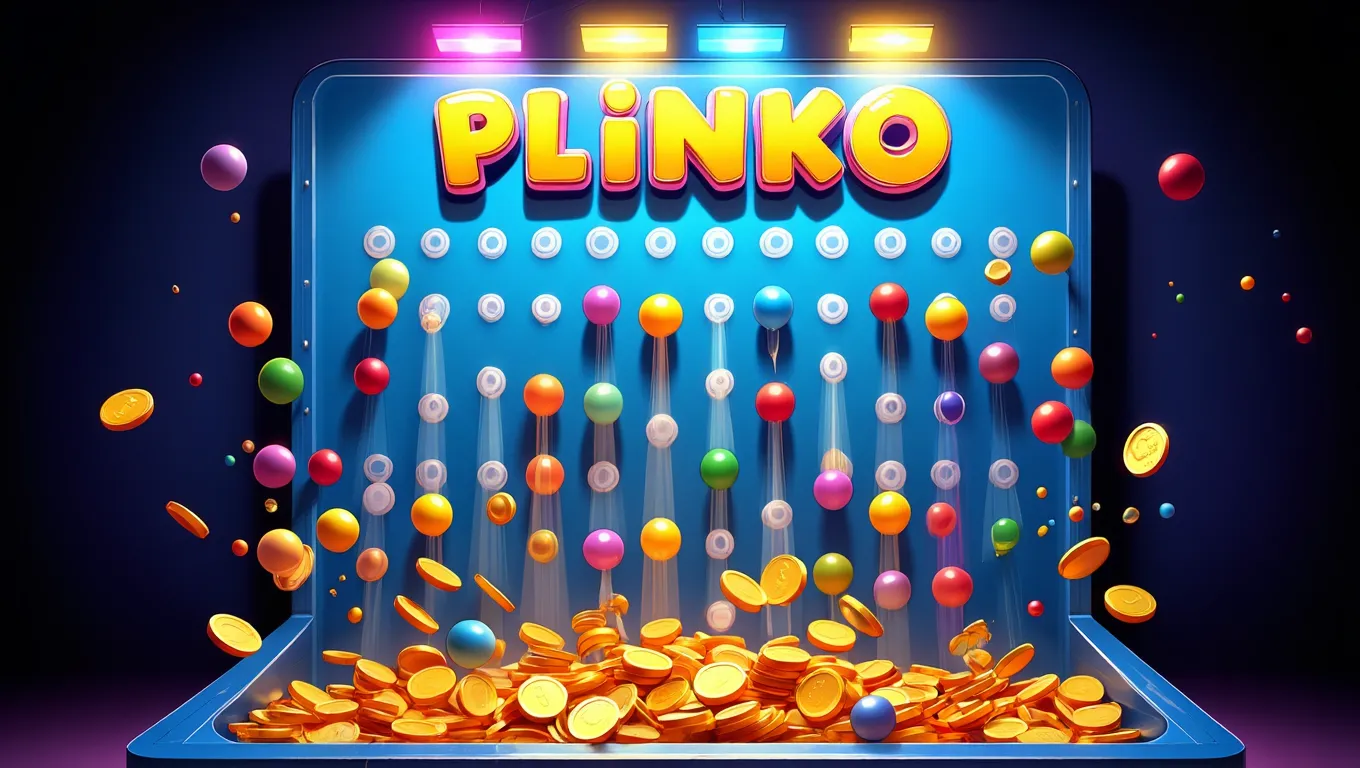
What a plinko demo mode really offers
Before jumping into specific mechanics, it is important to understand the purpose behind a demo environment. A demo is not a stripped-down toy version but a simulation of the real experience with controlled limitations. Players use plinko demo play sessions to focus on understanding outcomes rather than winning. This mode mirrors real gameplay logic, including randomness and drop physics, which makes learning meaningful. You can take time to observe ball paths, risk levels, and payout behavior. The absence of financial stakes changes decision-making in a positive way. It also removes emotional pressure, which often clouds judgment.
Core mechanics inside the demo version
The plinko free demo keeps the original structure of the game intact. Balls drop from the top and interact with pins exactly as they would in paid sessions. Each collision affects direction, which is why outcomes feel unpredictable yet consistent in logic. The demo lets you repeat actions many times to see how randomness distributes results. Over time, patterns emerge that help players understand volatility levels. This repeated exposure builds intuition rather than relying on theory. Even experienced users benefit from slowing down and watching outcomes unfold.
Differences between demo and real sessions
Although the plinko game demo feels authentic, some elements are intentionally limited to keep the focus on learning rather than outcomes. This simplified environment changes how players interact with the game and what they pay attention to. The most noticeable limitations include:
-
the absence of real balance management and monetary pressure
-
reduced emotional intensity compared to real sessions
-
limited social or competitive features
There is no balance management pressure, which removes the need to calculate risk in monetary terms. Emotional reactions are also different because there is nothing to lose, making the demo ideal for testing aggressive or unusual approaches. However, the psychological tension of real play is missing, which is important to remember. Demo results should be treated as educational, not predictive. Understanding this distinction keeps expectations realistic and helps players use the demo mode correctly.
Why beginners benefit the most
For new players, demo plinko sessions act as an interactive tutorial. Instead of reading long explanations, users learn by doing. Every drop teaches something about timing and probability. Beginners can make mistakes without consequences and adjust naturally. This process shortens the learning curve significantly. Confidence grows faster when errors do not feel costly. That is why demos are often the first step before any serious play.
Accessing plinko demo versions step by step
Getting into a demo version is usually simple, but understanding the process avoids frustration. Most platforms make demo access visible because it attracts cautious users. A plinko demo game is often placed next to the real version in the lobby. This positioning helps players compare options instantly. No complex setup is usually required. The idea is to remove barriers and let users start learning quickly.
Common ways players enter demo mode
Many platforms allow instant access to plinko demo free sessions without registration. This approach supports casual exploration and quick testing. In some cases, creating an account unlocks additional demo features like extended sessions. Both options serve different user needs. Instant access suits curious visitors, while registered demos help those planning long-term play. Understanding these options helps you choose the most comfortable entry point. Either way, the learning value remains the same.
Typical access flow explained
Below is a simple overview of how players usually reach a plinko casino demo environment. This flow is consistent across many platforms and focuses on ease of use.
-
Open a platform that clearly lists demo and real game modes.
-
Locate the plinko game and choose the demo option instead of real play.
-
Wait for the game to load and begin experimenting without deposits.
This process removes unnecessary steps and keeps attention on gameplay itself.
Device compatibility and flexibility
A casino plinko demo is typically available on both desktop and mobile devices. Touch controls on mobile feel natural and responsive, especially for casual sessions. Desktop play offers a wider view, which helps with observation and analysis. Switching between devices does not change core mechanics. This consistency allows learning to continue anywhere. Flexibility is one of the strongest advantages of demo formats.
Feature comparison inside demo environments
Understanding what is active and what is restricted helps set correct expectations. Demo versions aim to teach mechanics, not replicate every social or financial feature. The table below highlights how common elements behave in demo play.
| Feature | Demo behavior |
|---|---|
| Ball drops 🎯 | Fully active and realistic |
| Risk levels ⚠️ | Adjustable for learning |
| Balance tracking 💰 | Virtual only, no GBP involved |
| Social interaction 💬 | Usually disabled |
| Session limits ⏱️ | Often unlimited |
Strategic value of demo practice
Practicing in a demo environment is not about predicting outcomes but about understanding behavior. A plinko demo casino session allows players to test how different risk levels affect variance. Over time, this builds a sense of timing and expectation management. Players learn when results cluster and when swings occur. This knowledge improves emotional control later. Strategy development becomes grounded in experience rather than assumptions.
Using demos to test personal limits
Demo play helps users identify comfort zones without pressure. You can experiment with higher risk settings to see how variance feels. Low-risk settings, on the other hand, show how slower progress looks. Experiencing both extremes clarifies personal preferences. This insight is difficult to gain in real play due to emotional stress. Demo environments make self-assessment easier and more honest.
Long-term benefits of repeated demo sessions
Repeated demo sessions improve pattern recognition and patience. Over time, players stop reacting impulsively to short streaks. This calmer mindset carries over into real sessions later. Demo practice also highlights how randomness behaves over long periods. Seeing this firsthand reduces unrealistic expectations. In the end, demos shape healthier gameplay habits.
Frequently asked questions